Marlowe
Stanford's first GPU-based computational instrument: 248 NVIDIA H100 GPUs powering frontier AI research across all seven schools, managed by Stanford HAI in partnership with VPDoR and UIT. Marlowe is people as much as hardware — a research data science team partners directly with faculty to turn that hardware into science.
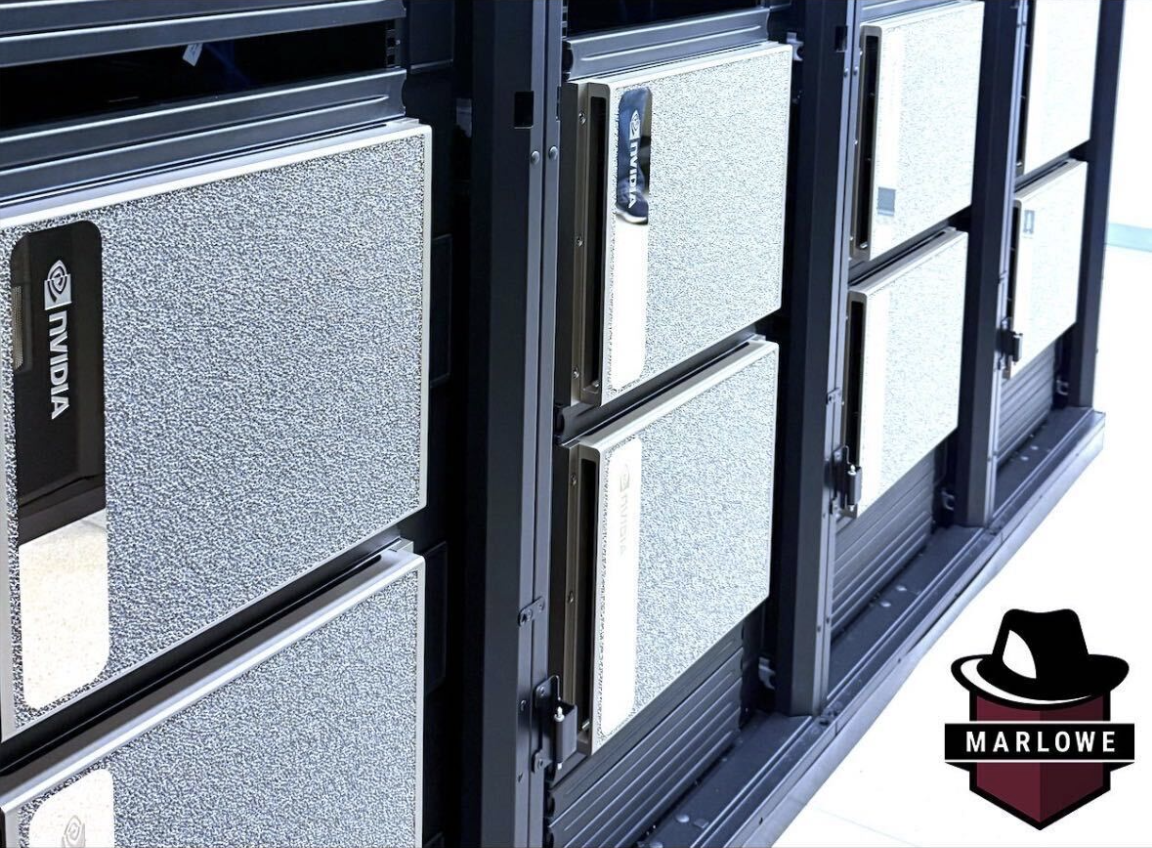
Marlowe is housed at SLAC
Marlowe: From film noir detective to frontier AI infrastructure
Named after Philip Marlowe, the film noir detective, Marlowe is Stanford's first large-scale GPU computational instrument, designed to give faculty the infrastructure to train foundation models, run large-scale simulations, and pursue computational work at scales previously available only to industry.
A team of Research Data Scientists partners directly with faculty to optimize code, scale training across multiple nodes, and maximize the scientific return from every GPU-hour allocated.
- Partner with faculty to design and execute GPU-accelerated research
- Optimize training pipelines for multi-node scaling
- Integrate open science practices into computational research
- Provide technical consulting on model architecture and distributed training
Technical Specifications
The people behind Marlowe
Marlowe is run by two teams working together: research data scientists at Stanford HAI who partner directly with faculty, and the Stanford Research Computing staff who deploy and operate the machine.
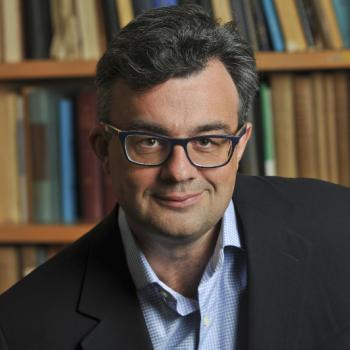
Emmanuel Candès
Marlowe Faculty Director
Emmanuel Candès is the Barnum-Simons Chair of Mathematics and Statistics at Stanford and the faculty director of Marlowe. One of the most influential statisticians of his generation, he is a pioneer of compressed sensing and modern distribution-free methods for trustworthy prediction. As Marlowe's faculty lead, he sets the instrument's scientific direction and champions frontier-scale GPU computing for researchers across all seven of Stanford's schools.
Research Data Science
Research data scientists and program staff who work directly with Stanford faculty — optimizing code, scaling training across nodes, and turning GPU-hours into scientific results.
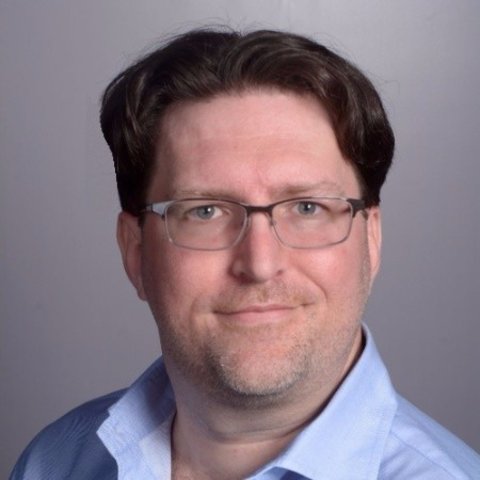
Craig Kapfer
Senior Director, Research Data Science · Marlowe Lead
Craig Kapfer leads Research Data Science at Stanford HAI and directs Marlowe. He has spent his career building scientific computing programs that support frontier research, with prior leadership roles at the Chan Zuckerberg Biohub, GSK, and KAUST. He holds master's degrees in Mathematics and Computer Science from Indiana University Bloomington.
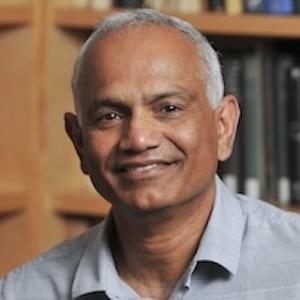
Balasubramanian Narasimhan
Senior Research Scientist
Balasubramanian Narasimhan is a research scientist with joint appointments in HAI, Biomedical Data Science, and Statistics. He earned his doctorate from Florida State University under George Marsaglia; his interests span machine learning, high-performance and distributed computing, and reproducible research. He is an elected member of the R Foundation.
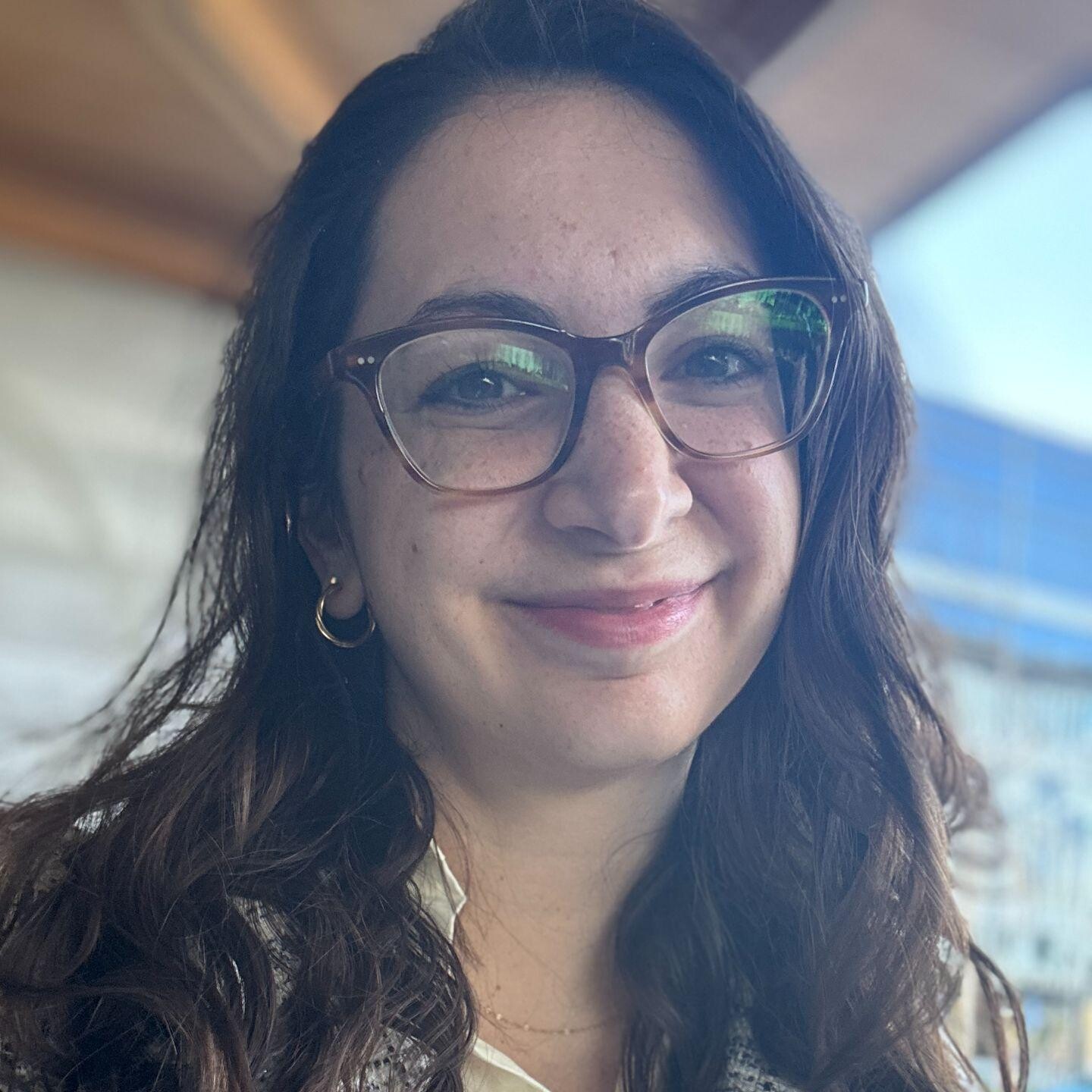
Casey Fleeter Masuda
Research Data Scientist
Casey Fleeter Masuda is a research data scientist and computational mathematician. She earned her PhD at Stanford's Institute for Computational and Mathematical Engineering under Alison Marsden, applying mathematical modeling and uncertainty quantification to cardiovascular fluid dynamics, then held a postdoctoral fellowship at Calico Life Sciences on mechanistic models of aging. She holds a BA in Physics from Harvard.
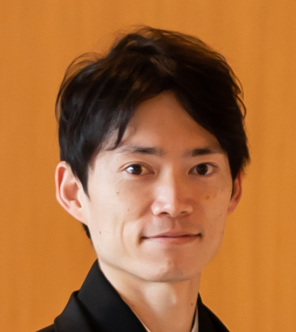
Koji Abe
Research Data Scientist
Koji Abe is a research data scientist and computational biologist focused on reliable, reproducible machine-learning workflows for biomedical research. At Stanford Medicine's Human Immune Monitoring Center he built scalable multi-omics biomarker pipelines on Marlowe; he now supports researchers with GPU/HPC workflows, performance debugging, and reproducibility. He holds a PhD in Bioengineering from the University of Washington.
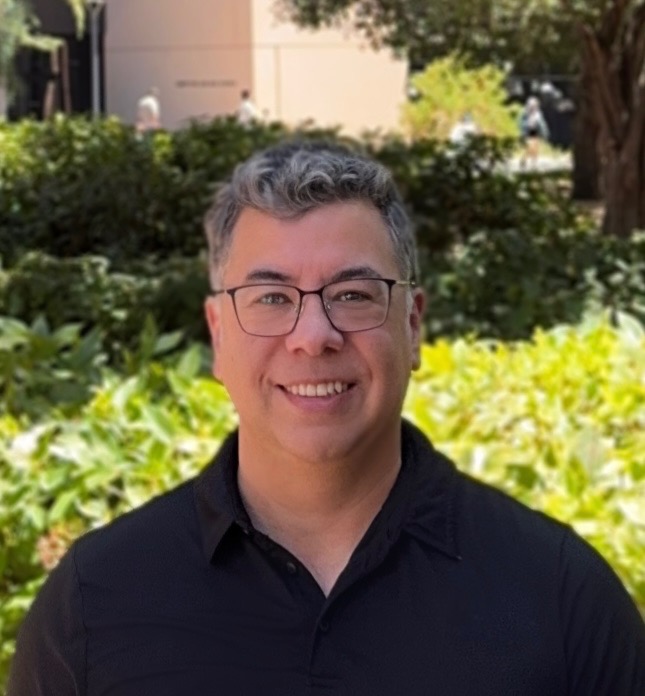
Marcelo Alvarez
Research Scientist
Marcelo Alvarez is a research scientist with joint appointments at KIPAC and HAI. His scientific research includes cosmic reionization, large-scale structure, and the cosmic microwave background. Marcelo has served as a research data scientist for Marlowe since 2025. Most recently, his work has extended to developing reproducible AI-accelerated data analysis workflows for next-generation cosmology surveys.
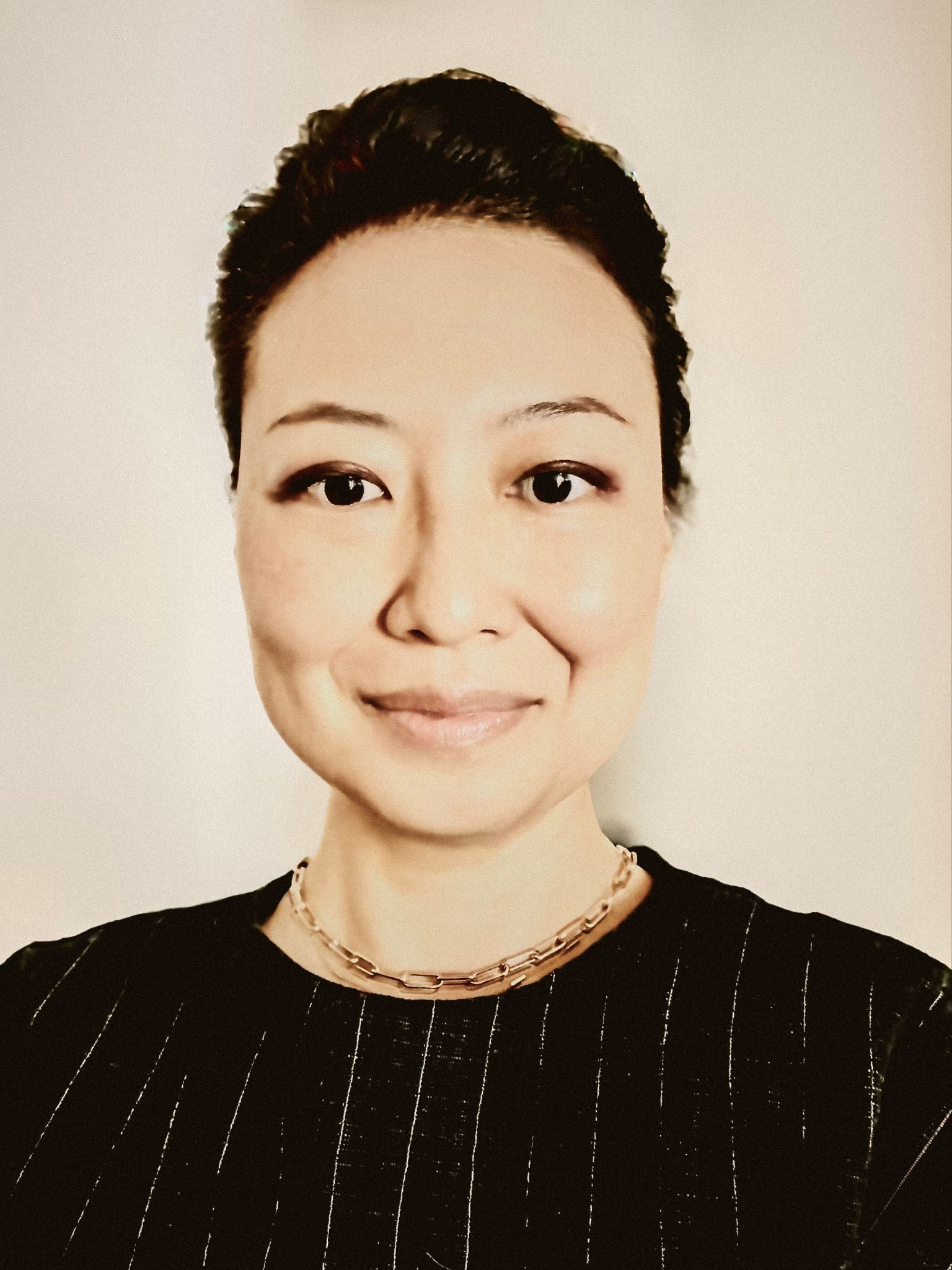
Sophia C. An
Program Manager
Sophia C. An is the program manager for Marlowe. She came to research computing from UX and product design — at Samsung, where she co-created the award-winning Frame TV with Yves Béhar, and at Amazon Lab126 — and recently led federally funded research at UC Irvine in partnership with the DOE, NASA, DoD, and DARPA.
Stanford Research Computing
The systems and datacenter team that deploys and operates Marlowe alongside Stanford’s other shared research computing platforms.
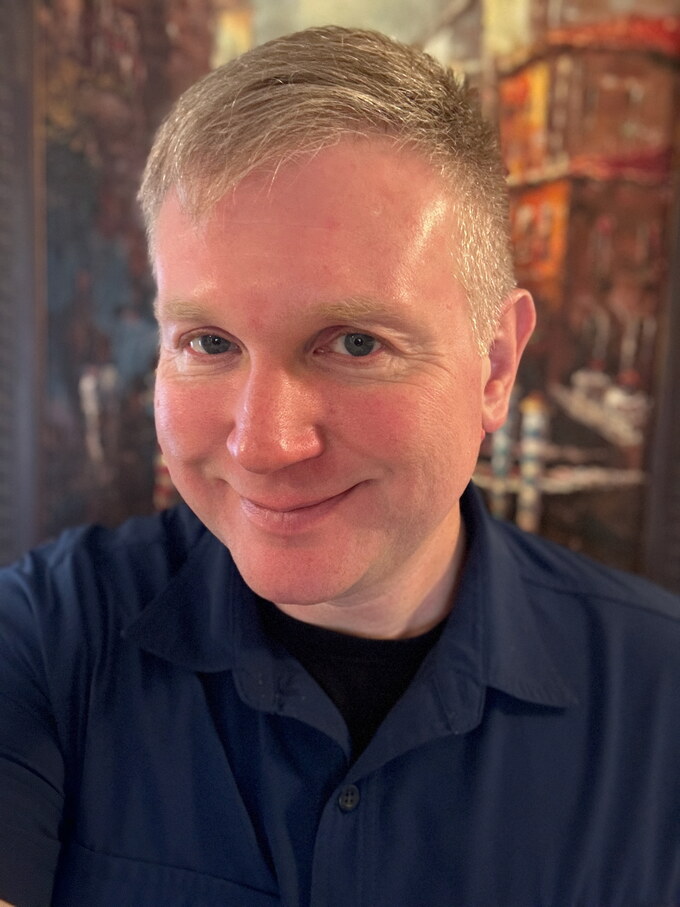
Ben Rogers
Executive Director, Stanford Research Computing
Ben Rogers is the executive director of Stanford Research Computing. His expertise spans high-performance computing, large-scale data storage, and research cyberinfrastructure. Before joining Stanford in 2025, he spent two decades at the University of Iowa, building its HPC and research computing program from the ground up. He holds bachelor's degrees in Computer Science and Physics and an MBA from Iowa.
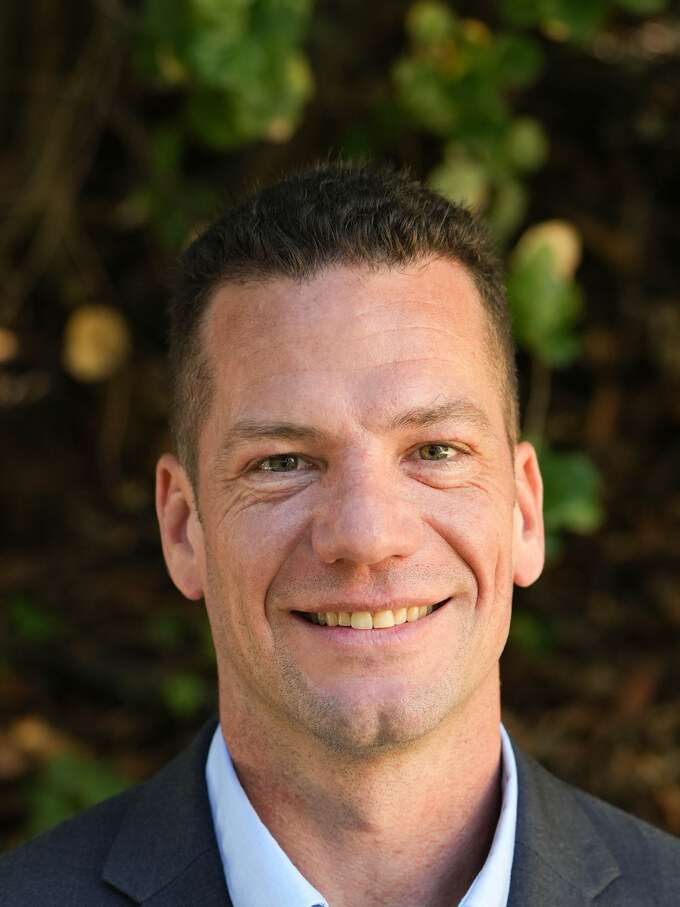
Addis O'Connor
Director, Research Computing Systems
Addis O'Connor leads the Stanford Research Computing teams that deploy and operate the university's shared research infrastructure — Marlowe, Sherlock, SCG, Farmshare, and the secure Nero and Carina platforms. He joined Stanford over a decade ago as a contractor and built Nero, its research cloud, from the ground up. Before Stanford, he supported HPC at the Naval Postgraduate School. He holds a degree from California State University, Monterey Bay.
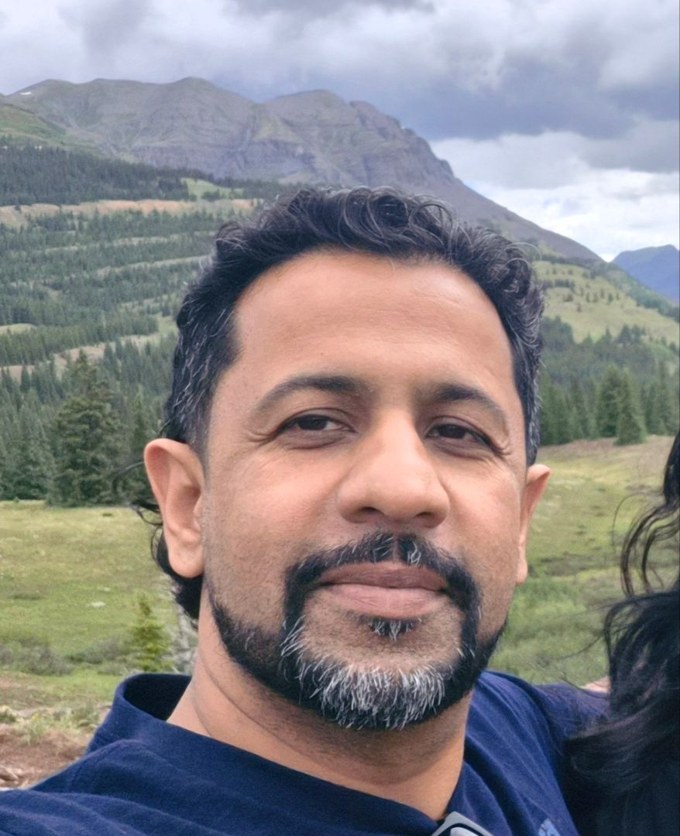
Taymoor Arif
HPC System Administrator
Taymoor Arif is an HPC system administrator with Stanford Research Computing, where he has worked since 2020. Prior to Stanford, he served in a similar role at Texas A&M University. He brings solid experience delivering end-to-end solutions on HPC clusters, from system design and deployment to ongoing operations and support. He holds a bachelor's degree in Management Information Systems from the University of Texas at Austin.
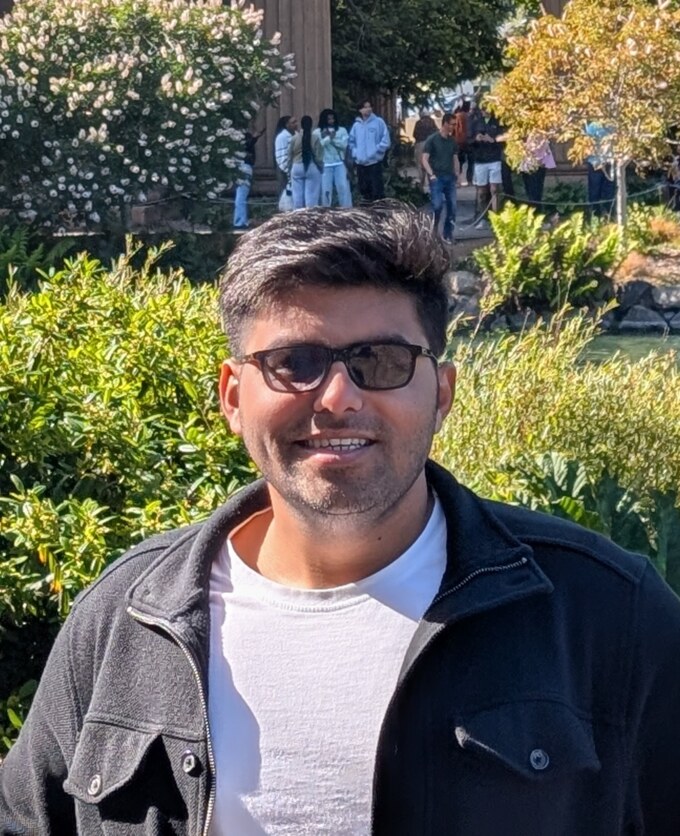
Arhat Kobawala
AI Infrastructure Engineer
Arhat Kobawala is an AI infrastructure engineer with Stanford Research Computing. He holds a master's degree in Computer Science (2024) focused on supercomputing and AI model training. Before Stanford, he helped build the Sol supercomputer at Arizona State University and worked on large-scale model training on AMD GPU clusters.