Marlowe Enables Next-Gen AI and Data-Driven Discovery at Scale
248 NVIDIA H100 GPUs across all seven Stanford schools along with a team to help accelerate science — a shared computational instrument for the research that wasn't possible before.
 Stanford Oval · aerial
Events
 CoDa
CoDaOffice Hours: Marlowe Research Data Science Team
 CoDa
CoDaAI and Data for Science: Curtis Langlotz
Training Methods for a Medical Imaging Foundation ModelCoDa E160 CoDa
CoDaAI and Data for Science: Anshul Kundaje
Decoding regulatory DNA with deep learning modelsCoDa E160 CoDa
CoDaAI and Data for Science: Dan Yamins
Large-Scale Computational Models at the Neuroscience-AI IntersectionCoDa E160 CoDa
CoDaAI and Data for Science: Ruijiang Li
Multi-Modal Foundation Models for Precision MedicineCoDa E160CoDaAI and Data for Science: Alex Pentland
Detecting coordinated behavior across multiple fully encrypted domainsCoDa E160CoDaAI and Data for Science: Andreas Tolias
Decrypting the Brain with AICoDa E160 CoDa
CoDaAI and Data for Science: Leonidas Guibas
Talk Title TBACoDa E160 CoDa
CoDaNVIDIA & Marlowe: Scaling Code Agents for 100M+ LOC
Past session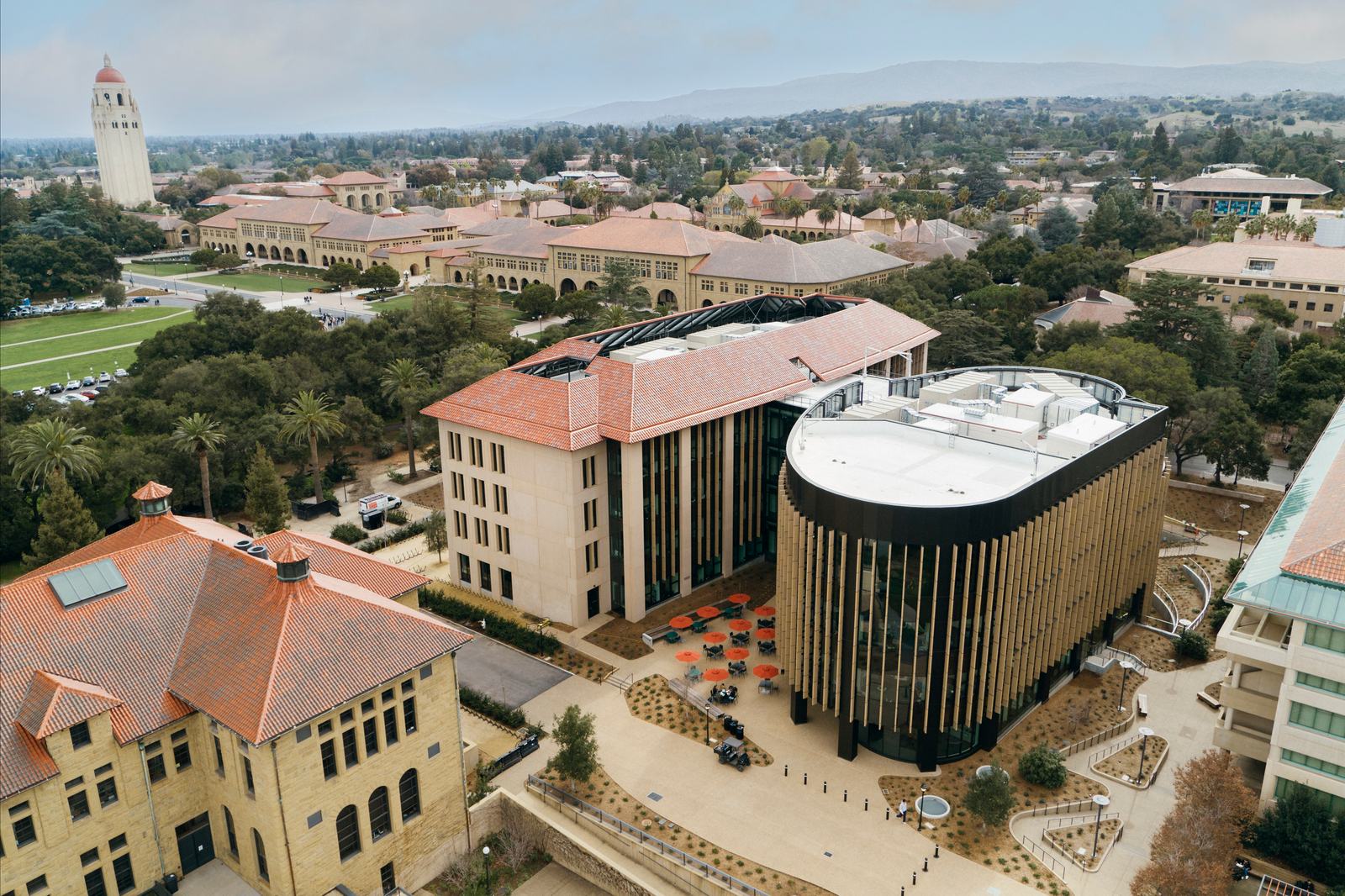 CoDa
CoDaNVIDIA & Marlowe: Workload Performance and Health Monitoring in Data Centers
Past session CoDa
CoDaNVIDIA & Marlowe: Training Robots with World Foundation Models
Past sessionFeatured Stories
 Gordon Wetzstein
Computer Vision / Generative AI · Stanford HAI
Marlowe Computing Spotlight: Gordon Wetzstein Lab - Life in Simulation
Gordon Wetzstein's lab is using Marlowe to build world models — AI that simulates reality from data alone — so robots and people can learn in lifelike simulated worlds before ever setting foot in the real one.
 Andreas Tolias
Neuroscience / AI · Stanford University IT
Marlowe Computing Spotlight: Andreas Tolias Lab
A conversation with Andreas Tolias and Konstantin Willeke on the Enigma Project — building a multi-modal foundation model of the mouse and primate brain from more than 200 billion data points of neural activity.
 Marlowe
Case study · NVIDIA
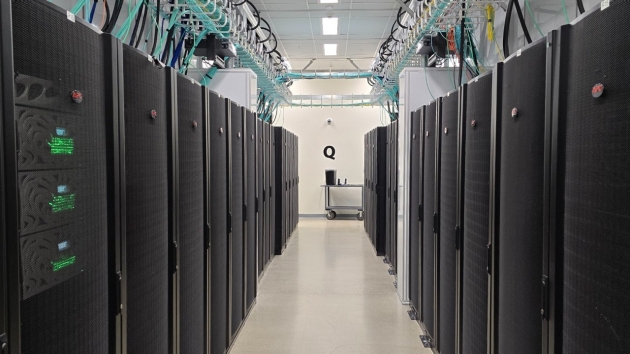
Stanford's Marlowe: An AI Supercomputer for Open Research
How Stanford built and runs Marlowe — 248 NVIDIA H100 GPUs serving more than 190 research groups across all seven schools — and what it takes to keep a shared instrument at frontier scale.
 Elizabeth Schumann
Music / AI · Stanford University IT
Marlowe Computing Spotlight: Elizabeth Schumann Group
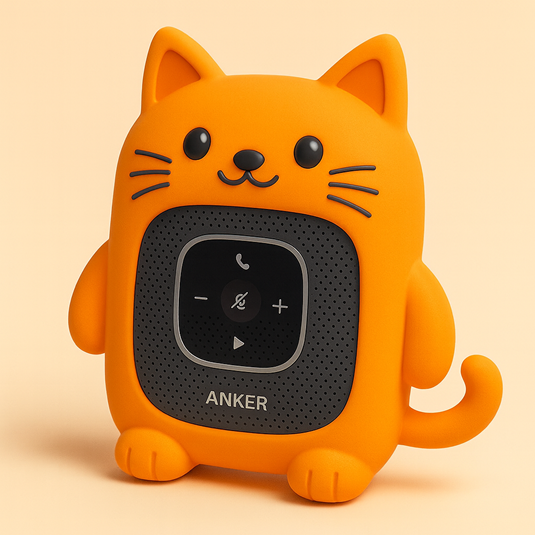
Elizabeth Schumann, an assistant professor of music, is building a screen-free companion that prompts children toward child-led musical exploration. Her group trains the unified text-music model behind it on Marlowe, moving from single-GPU prototypes to multi-machine, multi-GPU runs.
 Dan Yamins
NeuroAILab Hero Run
Training brain-scale neural networks on Marlowe.
Dan Yamins and his team trained PSI-32B, a 32-billion-parameter counterfactual world model that learns to predict how the physical world changes in response to actions, across 24 Marlowe nodes — 192 H100 GPUs. Marlowe's first hero run supported the month-long experiment at that scale, demonstrating the system's ability to sustain ambitious training campaigns across hundreds of GPUs.
 Emmanuel Candès
Statistical Machine Learning / AI Scaling
Frontiers of AI Scaling: Synthetic Data and Test-Time Reasoning
As the finite pool of internet text that powered a decade of AI scaling runs dry, Candès's group uses Marlowe to chart the next frontiers — generating synthetic training data and scaling reasoning at test time. That work includes s1 (Simple Test-Time Scaling), a low-cost open reasoning model built in part on Marlowe and featured in The Economist. Running through all of it is a distinctively statistical agenda: knowing when an AI's output can be trusted, and how to correct it when it cannot.
Researcher Profiles
 Armeni
4D Scene Understanding: AI for Dynamic Real-World Environments
 Langlotz
Vision-Language Foundation Models for Radiology
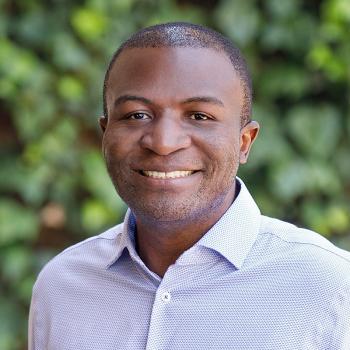 Tambe
TambeEfficient AI Computing: From Model Compression to Edge-Deployable Video Generation
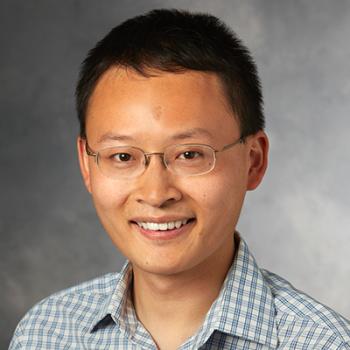 Zou
ZouAI Agents for Biomedical Discovery: Self-Improving LLMs with Scientific Tools
 Mirhoseini
Personal and Efficient Local AI
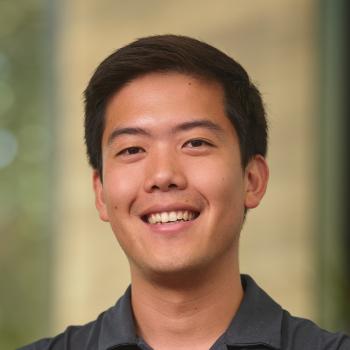 Hie
HieBeyond Evo 2: Next-Generation Biological Models
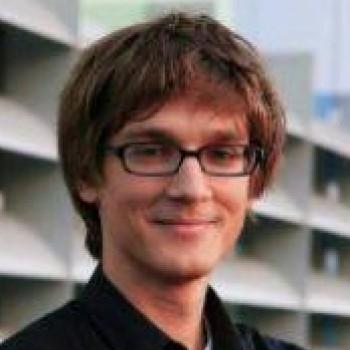 Leskovec
AI Virtual Cell: Genomic Foundation Models at Frontier Scale
MarloweStanford's Marlowe: An AI Supercomputer for Open Research
How Stanford built and runs Marlowe — 248 NVIDIA H100 GPUs serving more than 190 research groups across all seven schools — and what it takes to keep a shared instrument at frontier scale.
Marlowe on film
Marlowe: Compute for Discovery
From access request to first Marlowe job.
Faculty PIs sponsor accounts; postdocs and students may be flexibly added. New PIs start with 5,000 free GPU-hours.
- PI submits a sponsorship formA short statement of research area and expected GPU-hours.
- Marlowe Team provisions your accountTypically within a week of submission.
- PI receives an onboarding email from the Marlowe teamSlurm, storage, and first-job workflow.
- Submit your first jobThe Marlowe team helps troubleshoot first-job issues and early workflow questions.
Onboarding & training
Workshops and seminars run throughout the year — see what's coming up above, and find recordings and step-by-step guides in the documentation.